




Our mission is to bridge the gap between technology and learning. We pride ourselves on delivering reliable, user-friendly, and cost-effective solutions to global distributors, schools, and corporate partners. From primary education to advanced engineering calculations
  • How Advanced RF Technology Is Reshaping Modern Educational Electronics

    By Industry Insights Desk — 6 min read

    In education technology, 100~6200MHz 100W High Gain Solid State High Gan Power Amplifier modules are quietly enabling a new generation of wireless classroom tools. From interactive whiteboards to campus-wide communication networks, the underlying radio frequency (RF) hardware determines how reliably these systems perform. As schools invest more deeply in digital learning environments, the electronics that support them must keep pace with demands for speed, security, and uninterrupted connectivity.

    Modern educational electronics with wireless classroom technology and campus communication systems

    The education sector has moved far beyond simple computer labs. Today’s classrooms rely on wireless audio distribution, real-time polling systems, remote proctoring tools, and IoT-enabled attendance trackers. All these devices communicate over shared spectrum, and without robust RF components, signal degradation, interference, and latency quickly undermine the learning experience. Understanding the electronics behind these tools helps educators and IT decision-makers choose systems that actually work under real-world conditions.

    The Growing Complexity of Campus Communication Systems

    A modern school campus operates like a small city. Classrooms, libraries, administrative offices, sports facilities, and dormitories each have unique connectivity needs. A single campus may run multiple networks: Wi-Fi for general internet, dedicated links for security cameras, low-power mesh networks for environmental sensors, and two-way radio systems for staff coordination. Each of these networks depends on clean, amplified RF signals to function correctly.

    Traditional off-the-shelf consumer electronics often falter in these environments because they are not designed for dense, multi-network coexistence. Industrial-grade RF components, by contrast, offer better filtering, wider frequency coverage, and higher linearity. This is where specialized power amplifiers and signal conditioning modules make a measurable difference. They ensure that a teacher’s wireless microphone does not drop out during a lesson and that emergency announcements reach every corridor without distortion.

    Ensuring Safety Through Intelligent Signal Management

    School safety has become a top priority for administrators and parents alike. Modern security electronics go beyond cameras and door locks. They include RF-based detection systems, emergency alert beacons, and communication networks that must remain operational during power outages or network congestion. The reliability of these life-safety systems directly depends on the quality of their RF front ends.

    In certain scenarios, schools need to manage signal propagation carefully. For example, during lockdown drills or sensitive testing environments, the ability to control wireless signals in a defined area can be critical. A 4 Frequency GPS Spoofer is one example of a specialized RF tool used by security teams to create safe zones where unauthorized drone activity or location tracking is neutralized. While such devices require proper licensing and ethical deployment, they represent the growing sophistication of campus protection strategies.

    Beyond security, RF management also protects student data. Weak or improperly shielded wireless systems are vulnerable to interception. Educational electronics that incorporate high-quality RF shielding and certified amplifiers reduce the risk of data leakage, helping schools comply with privacy regulations such as FERPA and GDPR.

    The Role of High-Performance Amplifiers in Classroom Technology

    Classroom audio systems, language lab equipment, and assistive listening devices all rely on RF amplification to deliver clear sound. In a typical classroom, background noise from HVAC systems, hallway traffic, and adjacent rooms can exceed 55 dB. A standard speaker system may struggle, but a properly amplified wireless solution maintains intelligibility even for students seated in the back rows.

    RF power amplifiers used in educational electronics are not the same as those found in broadcast or military gear. They are designed for moderate power levels, high efficiency, and low heat generation. This makes them suitable for integration into sleek, compact classroom devices. When a manufacturer selects a 100W solid-state amplifier module for a campus-wide distribution system, they gain headroom to cover larger areas without adding extra access points. The result is fewer dead zones and a more consistent experience for students and teachers.

    Additionally, modern amplifiers support multiple frequency bands, allowing a single hardware platform to serve different regions and standards. This flexibility is especially valuable for international schools or districts that purchase equipment from global suppliers. Instead of maintaining separate inventories for different frequency allocations, they can deploy one versatile system and rely on the amplifier’s bandwidth to handle local requirements.

    Looking Ahead: The Future of Educational Electronics

    The next wave of educational technology will demand even more from RF components. Augmented reality (AR) and virtual reality (VR) learning modules require low-latency, high-bandwidth connections that push current infrastructure to its limits. At the same time, schools will continue to seek energy-efficient solutions that reduce both operational costs and environmental impact.

    GaN (gallium nitride) technology, which powers the newest generation of solid-state amplifiers, offers a path forward. GaN devices operate at higher temperatures and efficiencies than traditional silicon-based transistors, making them ideal for compact educational electronics that need to run continuously. As more educational product manufacturers adopt GaN-based RF modules, schools will benefit from smaller, cooler-running equipment that delivers more reliable performance across the academic year.

    Supply chain partners who specialize in RF innovation, such as Shenzhen Yiyuan, are already developing the components that will appear in tomorrow’s classroom devices. Their work on wideband power amplifiers and signal management systems directly supports the educational technology ecosystem, even though their products remain behind the scenes. For OEMs and integrators serving the education market, choosing the right RF partner is as important as choosing the right software platform.

    Disclaimer: This article is provided for informational and educational purposes only. Any specialized RF equipment mentioned should be used in accordance with applicable local laws, regulations, and licensing requirements.

  • Enhancing Digital Learning: The Critical Role of Audio Hardware in Modern Education

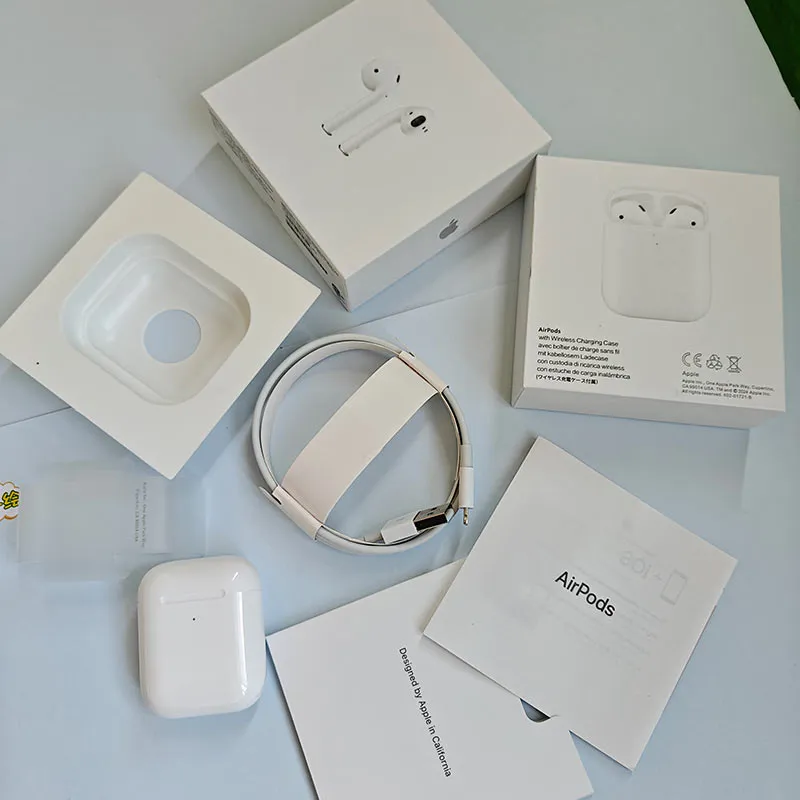
    Adopting wireless earphones for android has become a practical necessity in today’s digital and remote learning environments. As education transitions from traditional classrooms to interactive, tablet-based learning platforms, the hardware that students use to consume content dictates their level of engagement. High-quality audio delivery is no longer a luxury; it is a fundamental requirement for maintaining focus, understanding complex linguistic nuances in language apps, and participating actively in virtual classrooms.

    1-1731-转换自-webp.png

    The Impact of Acoustic Isolation on Student Focus

    One of the primary challenges of e-learning is environmental distraction. Whether studying at home, in a library, or on the move, students are constantly subjected to background noise that can severely disrupt cognitive processing. Utilizing devices engineered with noise isolation capabilities allows learners to create a dedicated auditory environment. This immersion helps in retaining information longer and reduces the cognitive load required to simply hear the instructor over surrounding disturbances.

    Clarity in Two-Way Communication

    Modern educational technology is highly interactive, requiring students not just to listen, but to speak. Voice recognition software used in reading assessments and language learning demands crystal-clear audio input. Hardware equipped with dual microphones and ambient noise reduction algorithms ensures that the student's voice is captured accurately. This technical reliability prevents frustration and ensures that educational software functions as intended, providing accurate feedback to the learner.

    Ensuring Reliable Infrastructure for E-Learning

    For educational institutions and e-learning platforms to succeed, the supporting hardware ecosystem must be robust and cost-effective. Procuring technology from an advanced supplier guarantees that students have access to devices featuring long battery life and ergonomic comfort for prolonged study sessions. By integrating high-grade bluetooth headphones & earphones into their recommended tech stacks, schools and educational providers can ensure a standardized, seamless learning experience. A premium manufacturer bridges the gap between educational software potential and practical, everyday student usage.

  • Optimizing Enterprise BPO Efficiency: Hardware Sourcing, Green Tech Integration, and Supply Chain Re

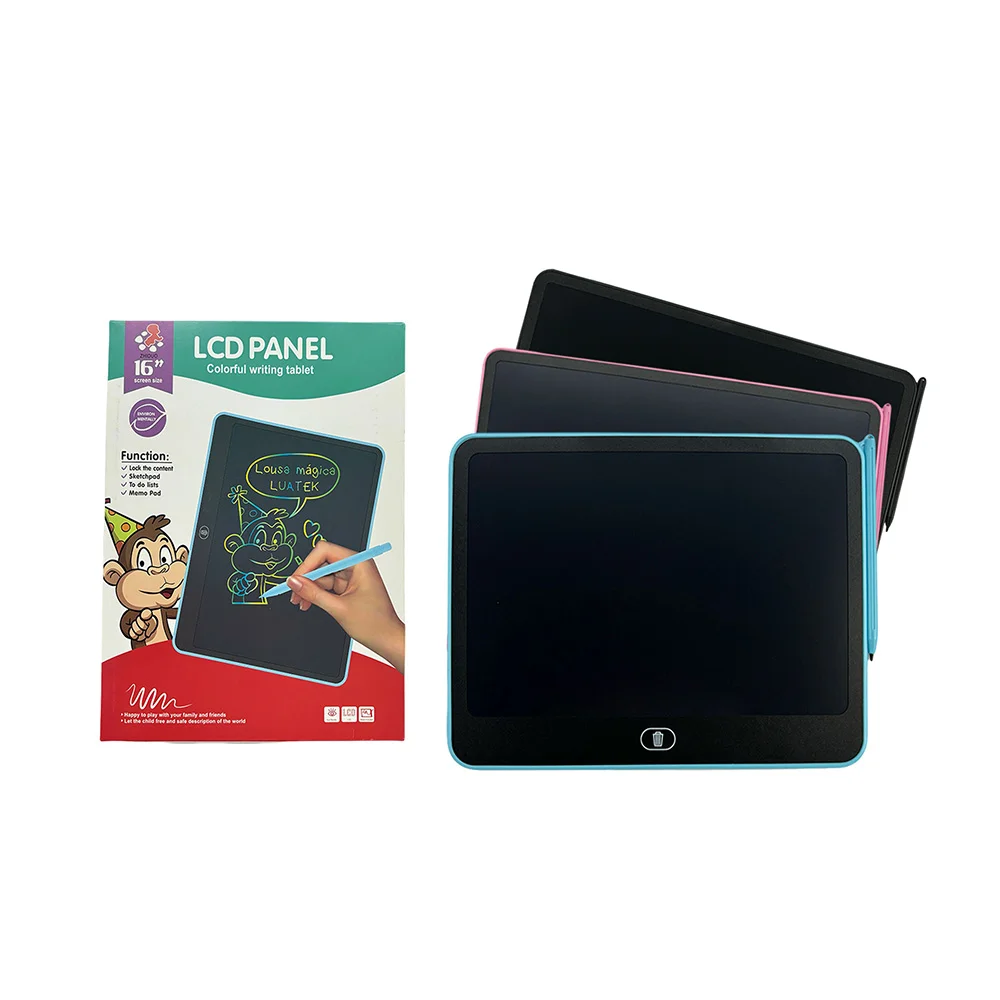
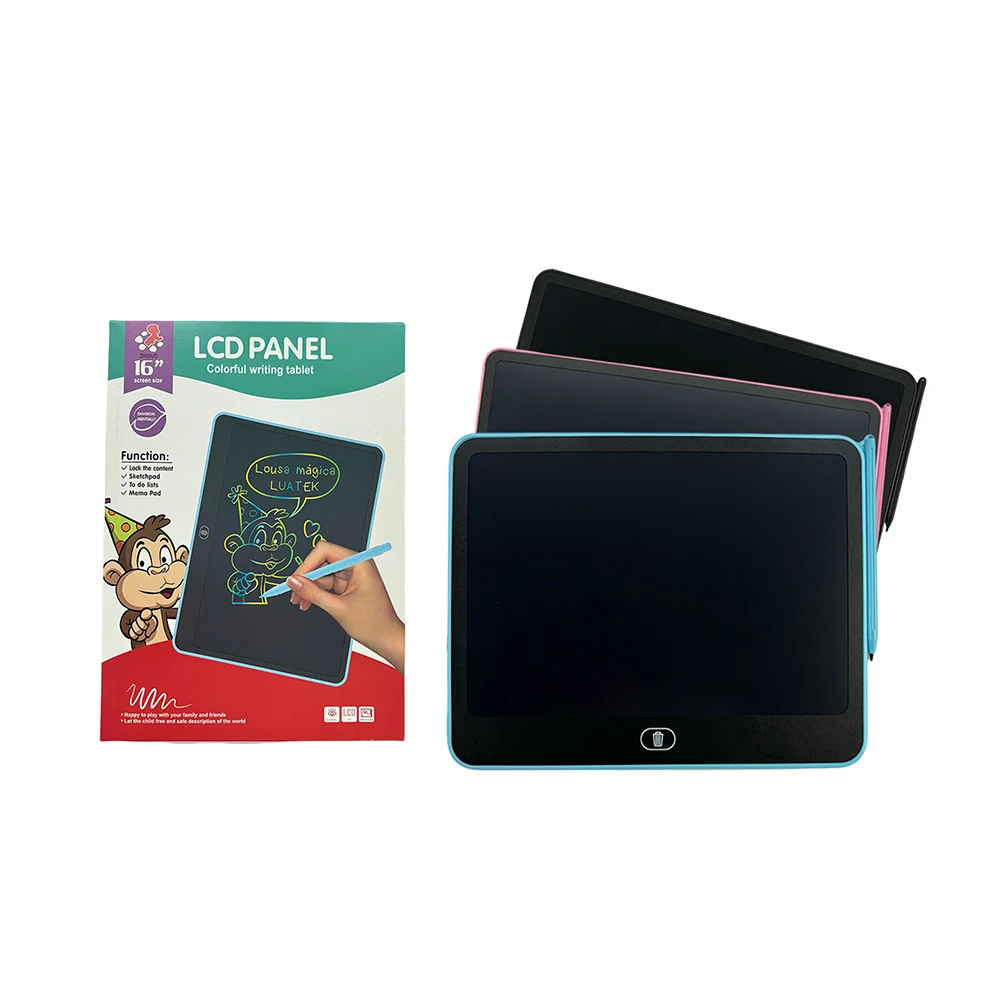
    Selecting a trusted tablet writing tablet manufacturer is essential for modern business process outsourcing (BPO) operations seeking sustainable workflow solutions. As global service delivery hubs expand, managing physical asset lifecycle costs while driving paperless transitions has become a strategic priority. From streamlining quick scratchpad notes in back-office environments to fostering creative brainstorming across distributed operational teams, integrating zero-emission, low-power hardware directly enhances task throughput while fulfilling corporate ESG (Environmental, Social, and Governance) benchmarks.

    ca271819-dbe6-4f03-b647-6bda1e19311c.png

    1. Operational Bottlenecks in Modern Enterprise BPO Infrastructure

    Business Process Outsourcing firms handle high-volume administrative tasks, customer care centers, and technical support teams. In these high-intensity settings, traditional paper-based workflows generate significant recurring expenditure and information privacy risks. Consumables such as notepad paper, ink cartridges, and shredding services accumulate substantial operational expenses across multi-site centers.

    Moreover, rapidly changing operational requirements demand instant visualization tools for shift handovers, training sessions, and temporary task tracking. Transitioning to reusable hardware displays eliminates physical paper waste, prevents unauthorized document retention, and creates a cleaner, clutter-free workstation environment tailored for maximum employee focus.

    2. Advanced Hardware Solutions: Low-Power Displays & Acoustic Performance

    Pressure-sensitive LCD writing boards have emerged as an ideal tactile alternative to paper. Utilizing bistable liquid crystal technology, these devices require electrical power only during screen erasure, enabling years of operation on a single standard button cell battery. The absence of LED backlighting eliminates blue-light eye fatigue during prolonged work shifts, offering a natural paper-like drawing and writing feel.

    Furthermore, in large-scale corporate training facilities and call center operations where vocal clarity is vital for instructional leaders, procuring specialized acoustic hardware from a verified oem mini voice amplifier supplier guarantees clear sound coverage, reduces vocal strain, and maintains operational consistency across long shifts.

    Comparative Analysis: Office Consumables vs. Reusable Hardware

    Performance MetricDigital Writing TabletTraditional Paper Notebooks
    Environmental FootprintZero paper consumption / Reusable 100,000+ timesContinuous paper usage and landfill waste
    Data ConfidentialityInstant one-touch screen clearanceRequires physical shredding / Risk of leakage
    Ergonomic & Ocular SafetyZero blue light / Zero glare emissionStandard reflective surface

    3. Building Strategic Supply Chain Resilience Across International Corridors

    To maintain uninterrupted procurement channels for hardware devices, enterprise BPO operations rely heavily on robust global logistics networks. Navigating supply chain volatility requires partnerships with established international trade service platforms capable of managing multimodal transit and cross-border customs clearance efficiently.

    State-owned trade platforms operating along strategic trade routes—such as the Xinjiang Horgos Port under the Belt and Road Initiative—provide comprehensive logistics facilitation, trade settlement, and supply chain security. Acting as vital hubs connecting manufacturing bases to international markets, these platforms streamline hardware export logistics, ensuring enterprise buyers receive premium, certified devices without supply chain delays.

    4. Key Technical Specifications for Procurement Decisions

    When evaluating enterprise hardware solutions, procurement teams should prioritize material durability, battery efficiency, and manufacturing compliance standards. Below is a summary of standard specs recommended for high-frequency corporate environments:

    • Display Technology: Pressure-sensitive flexible LCD panel with high contrast ratio.

    • Frame Material: Impact-resistant, non-toxic ABS plastic shell for drop protection.

    • Power Efficiency: Ultra-low power consumption via standard CR2025/CR2032 replaceable button battery.

    • Security Functions: Erase-lock toggle switch to prevent accidental data loss during active workflows.

    5. Strategic Outlook for Enterprise Sourcing

    Aligning BPO hardware procurement with eco-friendly design principles and resilient international trade corridors equips service organizations for long-term operational success. By replacing single-use paper supplies with durable LCD writing displays and leveraging verified supply chain platforms, global enterprises can simultaneously cut overhead costs, ensure regulatory compliance, and advance toward a paperless future.

If you are interested in our products, you can choose to leave your information here, and we will be in touch with you shortly.