
Adopting wireless earphones for android has become a practical necessity in today’s digital and remote learning environments. As education transitions from traditional classrooms to interactive, tablet-based learning platforms, the hardware that students use to consume content dictates their level of engagement. High-quality audio delivery is no longer a luxury; it is a fundamental requirement for maintaining focus, understanding complex linguistic nuances in language apps, and participating actively in virtual classrooms.
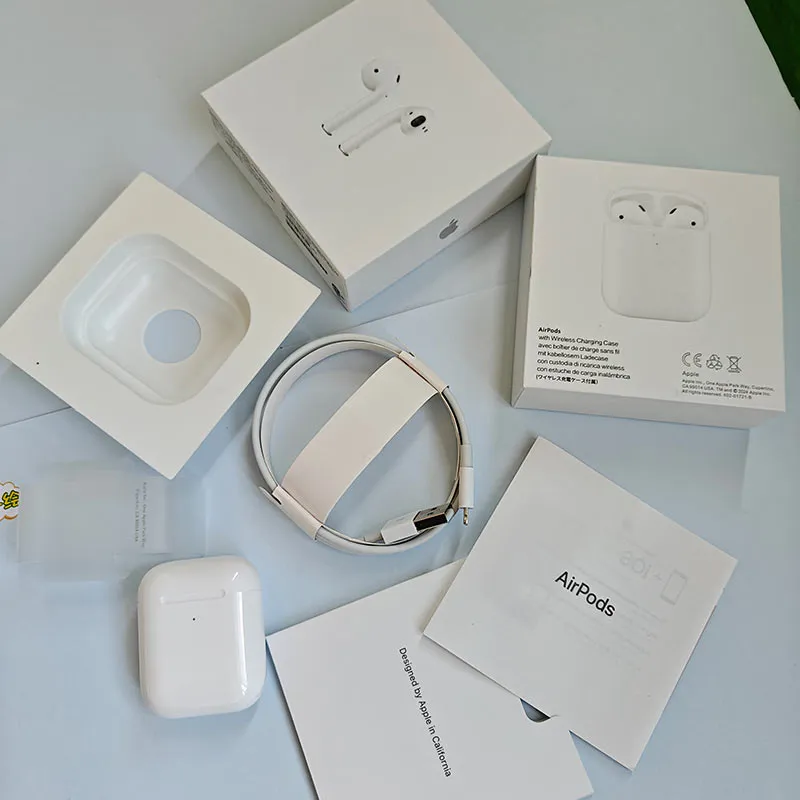
The Impact of Acoustic Isolation on Student Focus
One of the primary challenges of e-learning is environmental distraction. Whether studying at home, in a library, or on the move, students are constantly subjected to background noise that can severely disrupt cognitive processing. Utilizing devices engineered with noise isolation capabilities allows learners to create a dedicated auditory environment. This immersion helps in retaining information longer and reduces the cognitive load required to simply hear the instructor over surrounding disturbances.
Clarity in Two-Way Communication
Modern educational technology is highly interactive, requiring students not just to listen, but to speak. Voice recognition software used in reading assessments and language learning demands crystal-clear audio input. Hardware equipped with dual microphones and ambient noise reduction algorithms ensures that the student's voice is captured accurately. This technical reliability prevents frustration and ensures that educational software functions as intended, providing accurate feedback to the learner.
Ensuring Reliable Infrastructure for E-Learning
For educational institutions and e-learning platforms to succeed, the supporting hardware ecosystem must be robust and cost-effective. Procuring technology from an advanced supplier guarantees that students have access to devices featuring long battery life and ergonomic comfort for prolonged study sessions. By integrating high-grade bluetooth headphones & earphones into their recommended tech stacks, schools and educational providers can ensure a standardized, seamless learning experience. A premium manufacturer bridges the gap between educational software potential and practical, everyday student usage.